Designed to explore. Not just to validate.
The real challenge today is not only accuracy, it is also coverage.
What used to be a handful of simulations becomes hundreds or thousands of automated runs, with results you can compare and trust.
SIMBA gives every power electronics team the ability to explore their full design space: Monte-Carlo robustness, parametric sweeps, mission profiles, and BOL/EOL aging at a scale that changes design decisions. Same team. Same deadline.
Nominal is not enough. Reality isn't.
Your converter is designed at nominal conditions: 25°C ambient, rated voltage. It passes simulation. It passes bench testing. Then it ships and meets the real world.
In the field, ambient is −40°C to +85°C. Bus voltage varies by ±15%. Component tolerances are real. After 10 years, Rdson of MOSFETs has drifted, capacitances have aged, gate thresholds have shifted. The nominal design point you validated is one of thousands of conditions your converter will actually face.
With classical tools, you pick 3 or 4 representative cases and hope they cover the space. With SIMBA, you don't choose. You run them all.
3-5 representative points
Full space coverage
Every dimension of your design space. Covered.
Each of these examples answers a different question about your design's behavior under real-world conditions.
in 14 minutes
on 4 cores
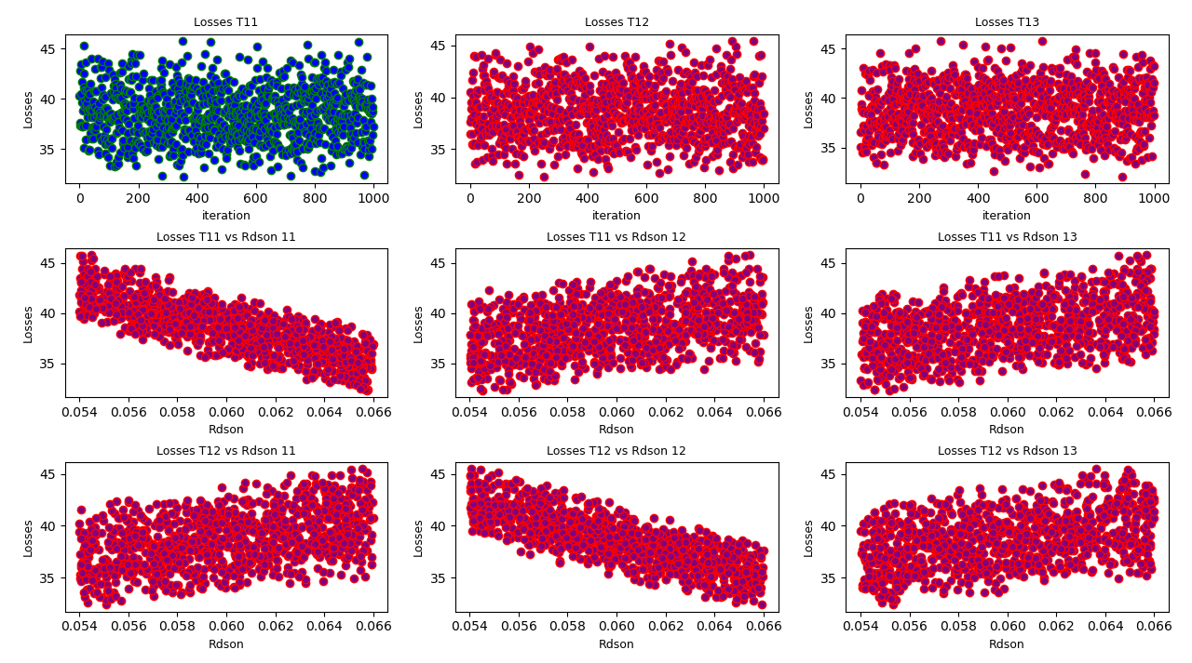
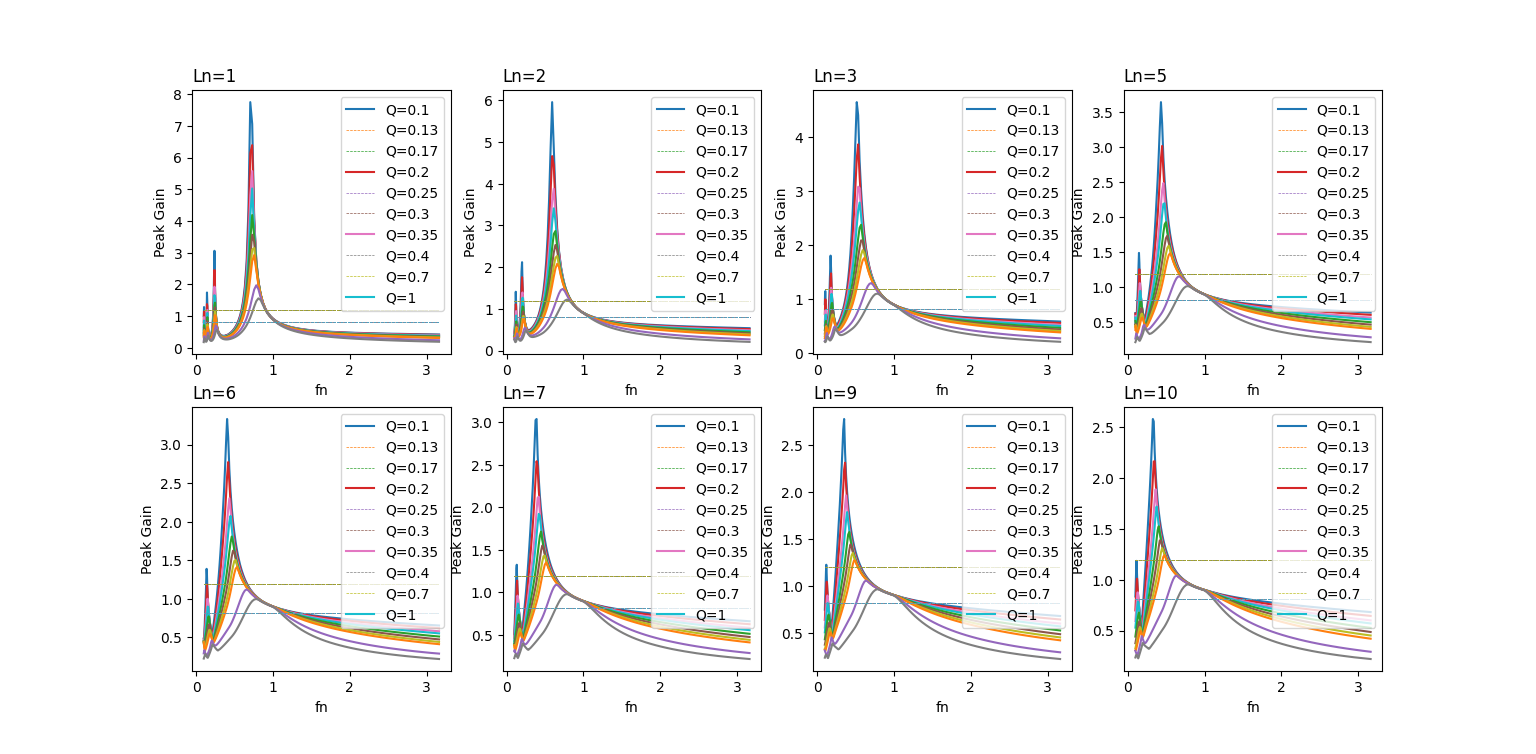
100kW PMSM · SiC
24 cores · DSET
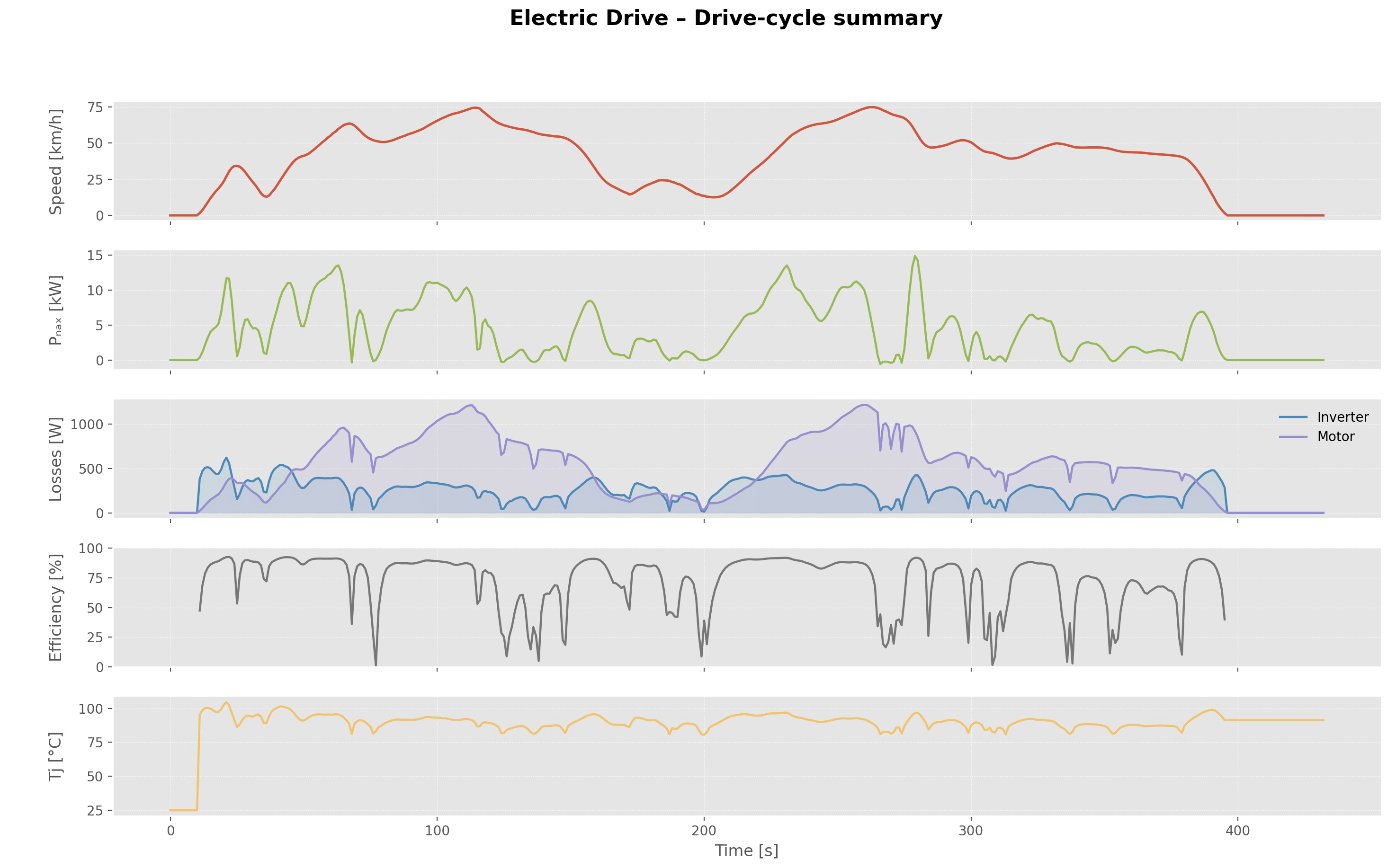
electric drive unit
mapped automatically
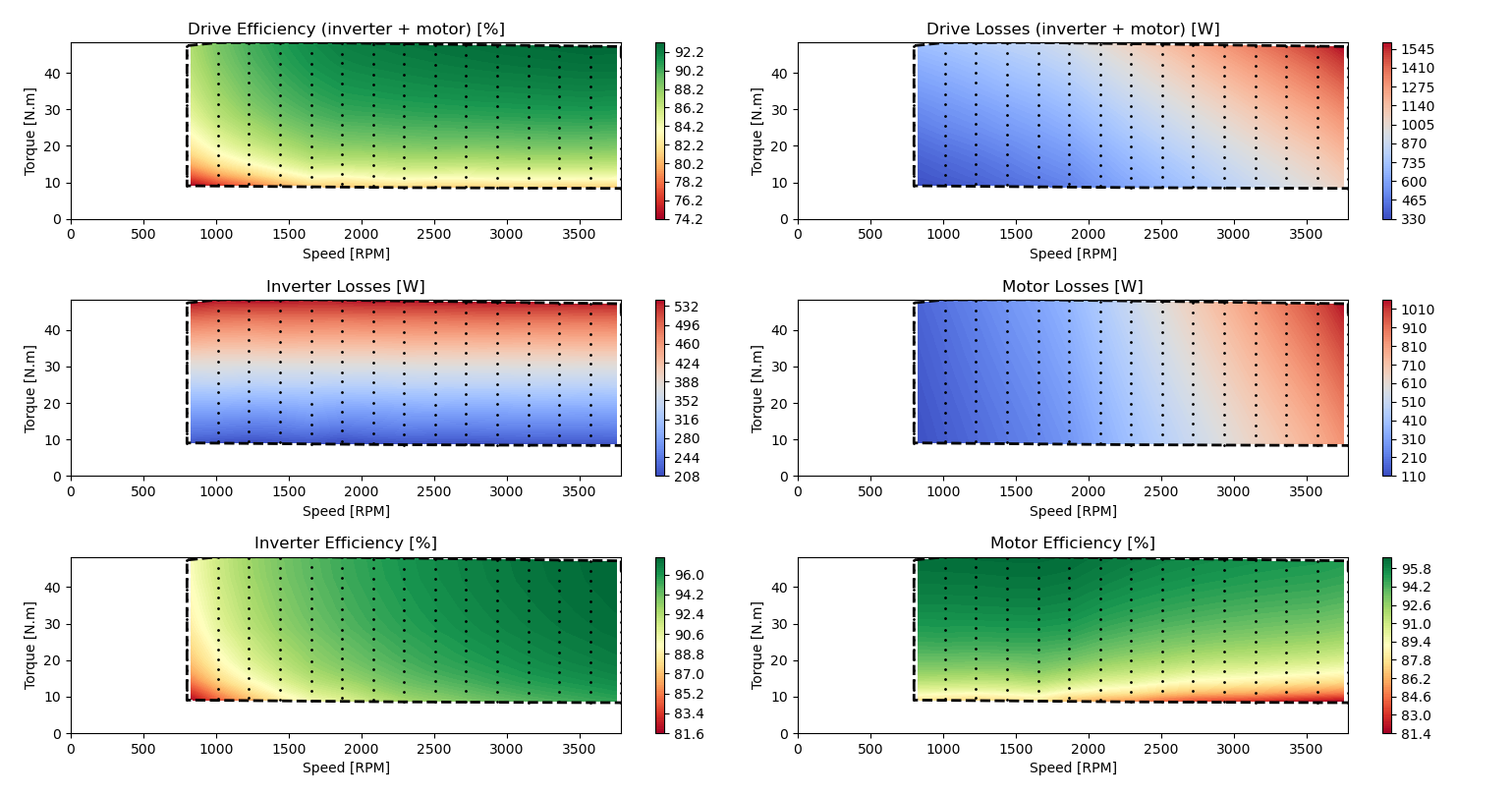
compared side by side
same operating point
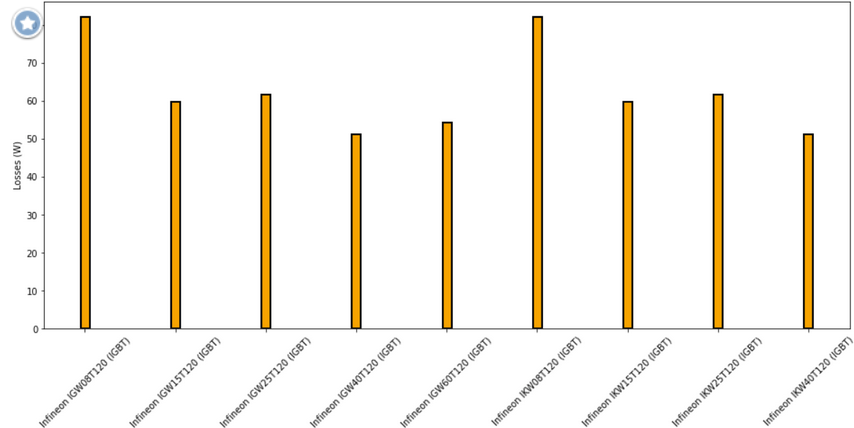
combinations across
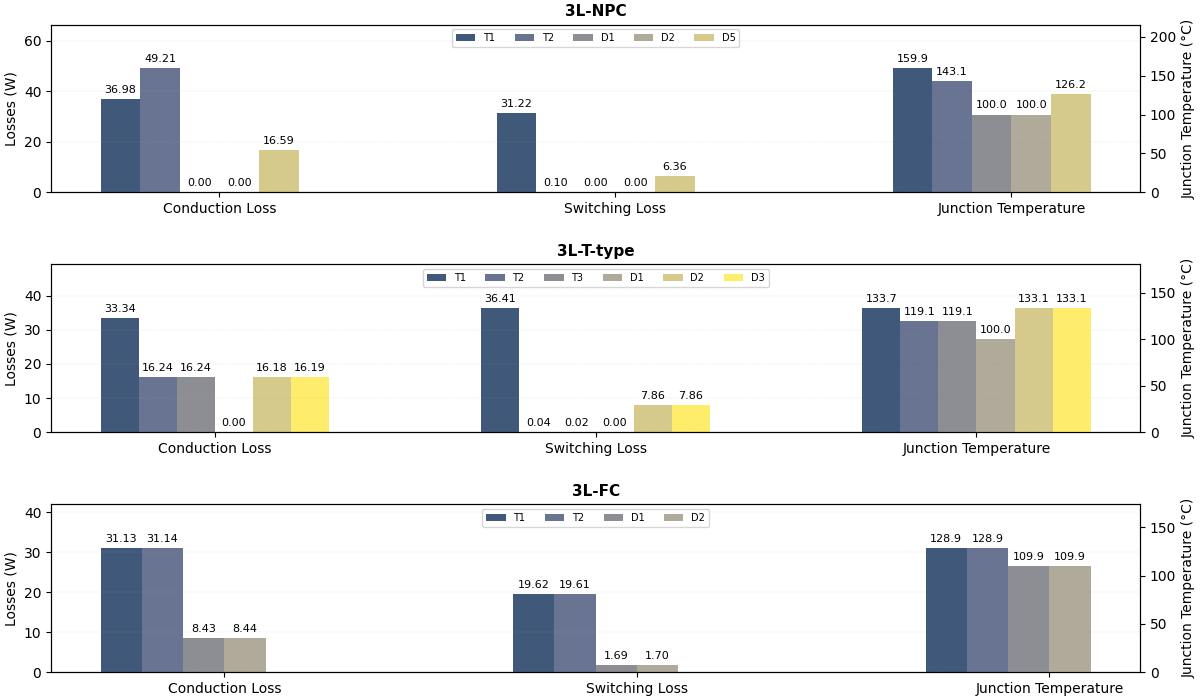
two operating points
Whether you code or you don't, SIMBA scales to you.
Running 1000 simulations in parallel should not require a software engineering degree. SIMBA offers two paths to the same outcome: a native Python API for teams who want full programmatic control, and an AI Assistant for engineers who want to run complex analyses without writing a single line of code.
Full programmatic access to the SIMBA simulation engine. Define sweeps, run parallel batches, and post-process results directly in Python. Integrates with your existing scientific stack.
Describe what you want to analyze in plain language. The AI Assistant translates your intent into a complete simulation campaign with parametric sweeps, Monte-Carlo, and mission profiles, without requiring you to write Python.